
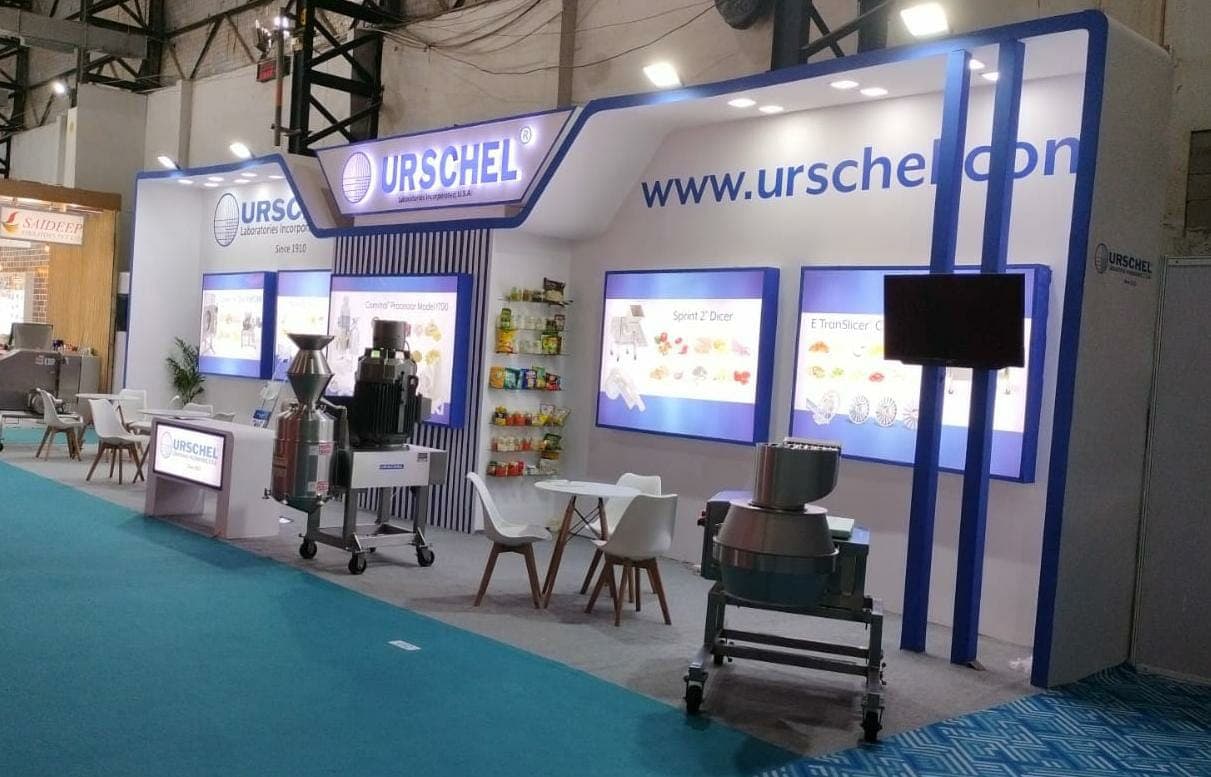
From Space to Strategy: Rethinking What Makes an Exhibition Successful
Exhibitions have long been associated with scale — larger booths, brighter visuals, and higher budgets. However, as exhibition floors become increasingly saturated, size alone no longer guarantees visibility or engagement.
Today, successful exhibition participation is defined by strategy: how clearly a brand communicates its value, how intentionally it designs experiences, and how effectively it converts attention into outcomes.
This shift has redefined what it means to “stand out” in a competitive exhibition environment.
The Changing Role of Exhibitions
Exhibitions are no longer static brand displays. They are dynamic environments where brands must compete for attention within seconds.
Audiences arrive informed, time-constrained, and selective. They expect relevance, clarity, and value — not noise. This reality places greater emphasis on strategic planning rather than physical scale.
A well-designed, strategically positioned space often outperforms larger booths that lack narrative or purpose.
Why Strategy Outperforms Size
Strategic exhibition planning focuses on: - Clear objectives aligned with business goals - Audience-specific messaging - Intentional spatial flow - Experience-led engagement
When these elements work together, even a compact space can: - Encourage longer dwell time - Facilitate meaningful conversations - Improve brand recall - Generate higher-quality leads
Impact is created through clarity and intent, not square footage.
Designing with Purpose
Exhibition design should support a brand story, not overshadow it.
Purpose-driven design considers: - What visitors should feel, understand, and remember - How movement through the space reinforces messaging - Where interactions should naturally occur
Every design element — lighting, materials, layout, technology — should serve a strategic function rather than decorative appeal.
Audience Engagement Is the Real Metric
Footfall may indicate interest, but engagement indicates value.
Strategic exhibitions prioritise: - Interaction over observation - Conversations over presentations - Experiences over displays
By designing for participation rather than passivity, brands create environments where visitors actively engage — and remember.
Execution Turns Strategy into Reality
Even the strongest strategy loses impact without disciplined execution.
Successful delivery depends on: - Precise project management - Coordination across design, fabrication, and on-site teams - Real-time problem solving - Consistent quality control
Execution excellence ensures that the brand experience on the exhibition floor reflects the strategy behind it.
Measuring What Truly Matters
Modern exhibition success is evaluated through: - Quality of interactions - Lead relevance and intent - Brand perception shifts - Post-event engagement and conversions
These insights inform future participation, enabling continuous improvement and higher ROI over time.
Key Takeaway
In today’s exhibition landscape, strategy is the most valuable asset a brand can bring to the floor. When objectives, design, engagement, and execution align, exhibitions become powerful platforms for visibility, trust, and business growth — regardless of size.
Designing Strategic Exhibition Experiences
We partner with brands to translate strategy into spatial experiences that engage audiences and deliver measurable outcomes.